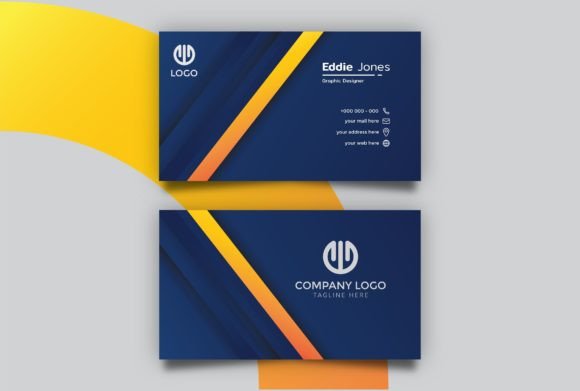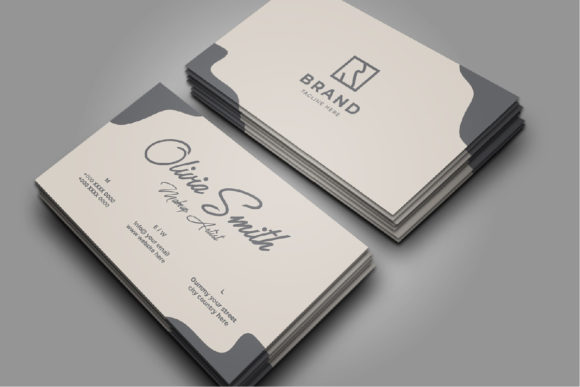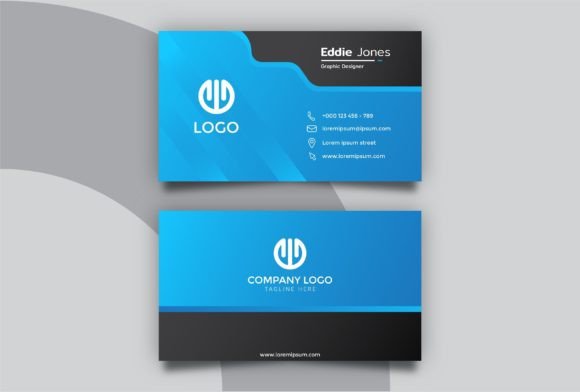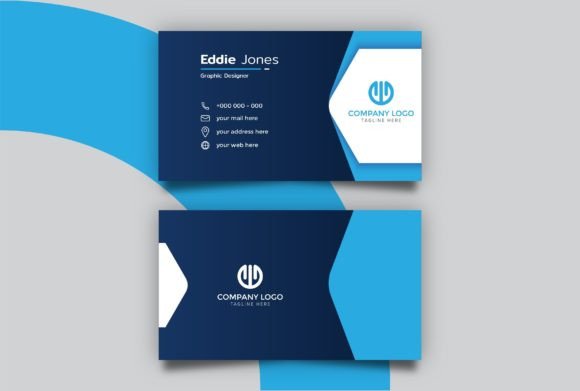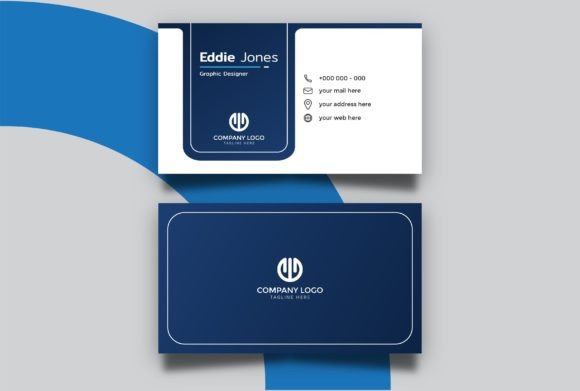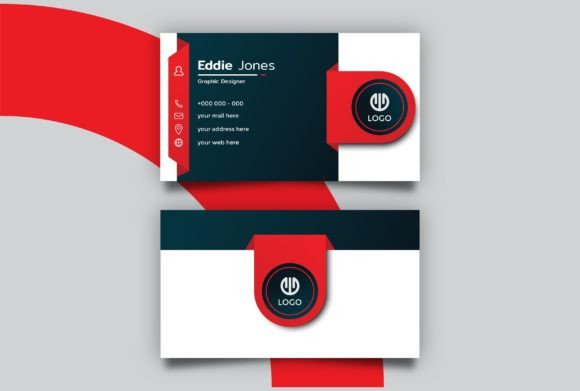
Professional Business Card Templates: Create Your Own with 100 Editable Designs
In today’s fast-paced business world, a well-designed business card can make all the difference. Whether you're launching a new venture, networking at an event, or expanding your professional presence online, having a high-quality, visually appealing business card is essential. This article explores how to use a professional business card template and access 100 editable designs in both CMYK and RGB color modes. We'll walk you through everything you need to know to create a standout business card that reflects your brand identity.
What Is a Professional Business Card Template?
A professional business card template is a pre-designed layout that you can customize to fit your personal or business needs. These templates are typically created using design software like Adobe Illustrator, InDesign, or even free tools like Canva. They provide a structured format for including essential information such as your name, title, company, contact details, and logo.
Using a template saves time and ensures consistency in your design. It also allows you to focus on creativity rather than starting from scratch. For instance, if you’re a small business owner looking to establish your brand, a professional business card template can help you present your services in a polished and professional manner.
Why Use 100 Editable Business Card Templates?
The availability of 100 editable business card templates offers a wide range of design options to suit different industries, styles, and preferences. Whether you prefer a minimalist look, a bold and colorful design, or something more modern and sleek, there's a template for you.
- Flexibility: You can adjust fonts, colors, layouts, and images to match your brand identity.
- Customization: Each template is designed to be easily editable, allowing you to tailor it to your specific needs.
- Time-Saving: No need to start from zero; just pick a template and customize it.
Understanding the File Formats: EPS, PDF, SVG, JPG
When downloading a business card template, you’ll likely encounter several file formats. Understanding what each one offers is key to ensuring your design works perfectly across different platforms and printing services.
EPS (Encapsulated PostScript)
EPS files are vector-based and ideal for editing in graphic design software like Adobe Illustrator. They maintain quality regardless of scaling, making them perfect for print and digital use.
PDF (Portable Document Format)
PDFs are widely used because they preserve formatting and layout across different devices and operating systems. They are excellent for previewing your design before printing and for sharing with clients or colleagues.
SVG (Scalable Vector Graphics)
SVG files are lightweight and scalable, making them great for web use. They can be embedded directly into websites or used as icons without losing quality.
JPG (Joint Photographic Experts Group)
JPG files are raster-based and best suited for photographs or complex graphics. While they are not ideal for editing, they are commonly used for quick previews or when working with non-vector design tools.
CMYK vs. RGB Color Mode: What You Need to Know
Choosing between CMYK and RGB color mode is crucial for achieving accurate print results. Here's a breakdown of both:
CMYK Color Mode
CMYK stands for Cyan, Magenta, Yellow, and Key (Black). It is the standard color model used in professional printing. When designing for print, always use CMYK to ensure your colors appear as intended on physical media.
RGB Color Mode
RGB stands for Red, Green, and Blue. It is used for digital displays and web content. If you plan to use your design for online purposes, RGB is the way to go. However, for print, stick with CMYK to avoid unexpected color shifts.
Dimensions and Resolution: 3.5 x 2 Inches at 300 DPI
Your business card should be designed with the correct dimensions and resolution to ensure clarity and sharpness. The standard size for business cards is 3.5 x 2 inches, and it should be set to 300 DPI (dots per inch) for high-quality print.
Using the wrong resolution can result in blurry or pixelated prints, which can damage your professional image. Always verify that your design meets these specifications before sending it to a printer.
Double-Sided Business Cards: Designing Both Sides
Many business cards are double-sided, allowing you to include additional information or branding on the back. This is especially useful for including social media links, a tagline, or a QR code that directs users to your website or portfolio.
When designing double-sided cards, consider the flow of information. Ensure that both sides are visually balanced and complement each other. Avoid overcrowding either side, and keep the design clean and easy to read.
Fonts and Typography: Choose the Right Font for Your Brand
Typography plays a significant role in the overall look and feel of your business card. A well-chosen font can enhance readability, convey professionalism, and align with your brand personality.
Each template comes with a free font that you can download from the provided link in the Readme.txt file. This font is specifically selected to work well with the template and ensure consistent appearance across all versions of the design.
If you want to experiment with different fonts, make sure they are web-safe or licensed for commercial use. Using an inappropriate font can lead to formatting issues or legal problems.
Getting Started: How to Use the Files
Once you've downloaded the files, follow these steps to begin customizing your business card:
- Open the file: Use Adobe Illustrator or any compatible vector design software to open the EPS or PDF file.
- Customize the design: Adjust fonts, colors, and layout elements according to your preferences.
- Download the free font: Visit the link provided in the Readme.txt file to download and install the recommended font.
- Export the file: Save your design in the preferred format (PDF, SVG, etc.) for printing or digital use.
Common Misconceptions About Business Cards
Despite their long-standing use, business cards are sometimes misunderstood. Here are a few common misconceptions:
- Misconception: "Business cards are outdated." Reality: They remain a valuable tool for networking and brand visibility.
- Misconception: "A business card must be expensive to look professional." Reality: High-quality design and materials can make a big impact, regardless of cost.
- Misconception: "You only need one design." Reality: Different designs can be used for different audiences or events.
Conclusion: Make Your Mark with a Custom Business Card
A professionally designed business card is more than just a piece of paper—it's a representation of your brand and your values. With access to 100 editable business card templates in both CMYK and RGB color modes, you have the tools to create a design that stands out in a competitive market.
Whether you're a small business owner, a freelancer, or a student, taking the time to invest in a well-designed business card can pay off in terms of networking, client acquisition, and brand recognition. Start by choosing a template that resonates with your style and goals, then customize it to reflect your unique identity.
Remember, the key to success lies in attention to detail, creative expression, and a clear understanding of your audience. With the right tools and knowledge, you can create a business card that not only looks great but also makes a lasting impression.