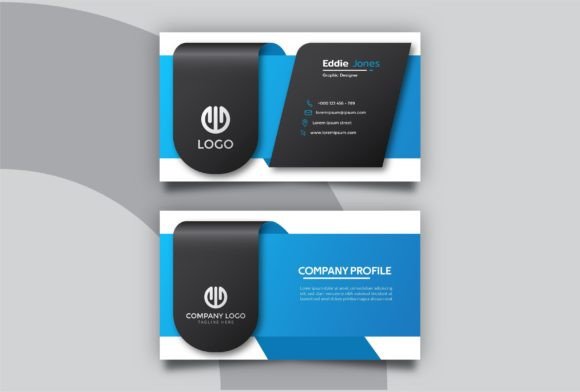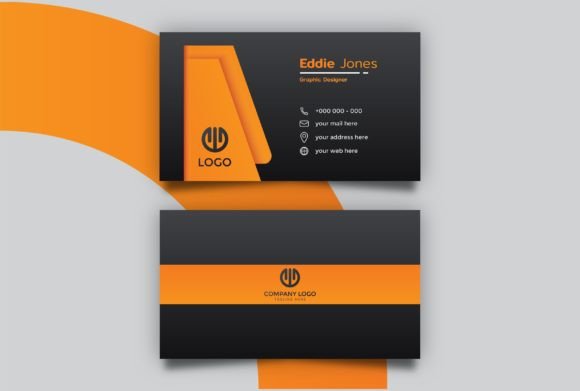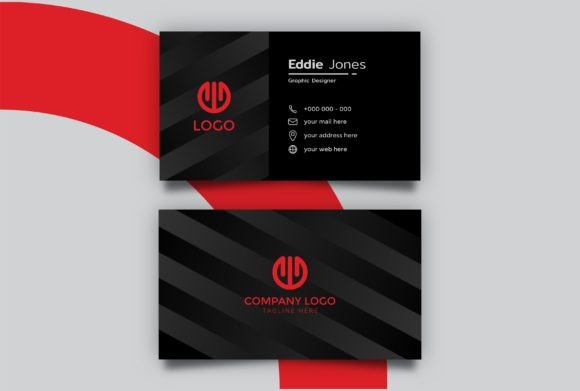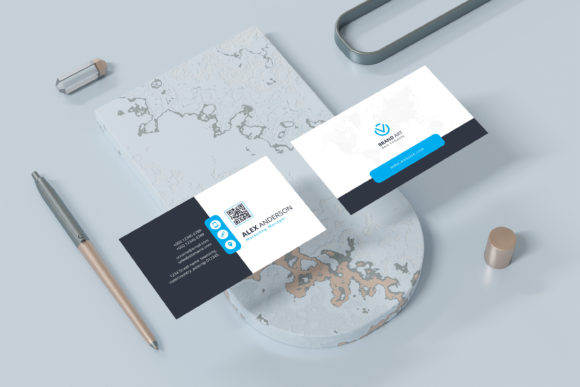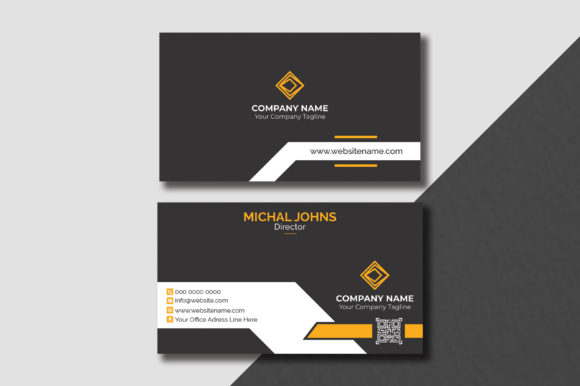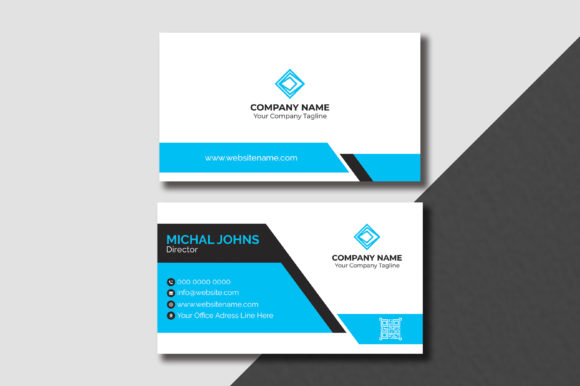
Modern Business Card Design: A Strategic Tool for Professional Impact
In today’s fast-paced and visually driven business environment, the business card remains a powerful yet often underestimated tool. Modern Business Card Design is not just about aesthetics—it's about creating a strategic asset that aligns with your brand identity, communicates your value proposition clearly, and leaves a lasting impression. Whether you're an entrepreneur, freelancer, or small business owner, understanding how to design a business card that stands out in a competitive market can significantly enhance your professional presence.
The Strategic Value of Modern Business Card Design
At its core, Modern Business Card Design focuses on simplicity, clarity, and functionality. It leverages clean layouts, bold typography, and thoughtful color schemes to convey professionalism and creativity. But beyond appearance, it serves as a strategic component of your overall branding strategy. A well-designed business card can act as a silent ambassador for your brand, reinforcing your message every time it's handed out or shared digitally.
Consider the following benefits of investing in modern design:
- Brand Consistency: A cohesive design reinforces your brand across all touchpoints, making it easier for clients and contacts to remember who you are.
- Professional Credibility: A visually appealing card signals that you take your work seriously, which can build trust and confidence.
- Memorability: Thoughtful design increases the likelihood that recipients will recall your information long after the initial interaction.
- Scalability: A well-structured design allows for easy customization and adaptation across different platforms and formats.
Choosing the Right Format: 3.5×2 Inch with Bleed and CMYK Layers
When designing a business card, the format and technical specifications play a critical role in ensuring the final product looks sharp and professional. The 3.5×2 inch size is a popular choice for its balance between visibility and portability. However, to ensure high-quality printing, especially when using professional services, it's essential to include .25 bleed on all sides. This means extending the design slightly beyond the trim area to account for any slight misalignment during the printing process.
Additionally, using CMYK color mode ensures that your colors will print accurately and consistently. Many designers mistakenly use RGB, which is intended for digital displays rather than print. By working with CMYK, you avoid unexpected color shifts and maintain the integrity of your design.
A key aspect of this format is the inclusion of 100 layer organize PSD file, which provides full control over each element of the design. This layered structure allows for easy editing, making it simple to adjust text, images, or layout without affecting other parts of the design. For those who may not be familiar with Photoshop, the template is designed to be user-friendly, with clear labels and intuitive organization.
Trim and Bleed Guidelines: Ensuring Precision
Understanding trim and bleed guidelines is crucial for achieving a polished result. Trim lines define the exact area that will be cut from the card, while bleed areas extend beyond these lines to ensure no white edges appear after cutting. Including .25 bleed on all sides of the 3.5×2 inch card helps prevent any unintended gaps or borders that could detract from the design’s impact.
To implement these guidelines effectively, start by setting up your document in Photoshop with the correct dimensions. Add a margin of .25 inches around the design area, then extend elements such as background colors or patterns into this bleed zone. This ensures that your design extends fully to the edge of the card, providing a seamless and professional finish.
Designing with Purpose: Tips for Effective Use
Before diving into the creative process, consider the purpose of your business card. Is it meant to drive new leads, reinforce brand recognition, or serve as a networking tool? Your design should reflect this intent. Here are some practical tips to guide your approach:
- Focus on Key Information: Include only essential details—name, title, company, contact information, and a unique visual element. Avoid cluttering the card with unnecessary text or graphics.
- Use High-Quality Images: If incorporating visuals, ensure they are high-resolution and relevant to your brand. Poor image quality can undermine the professionalism of your design.
- Choose a Clean Layout: A minimalist design often has the most impact. Use negative space effectively to highlight important elements and create visual hierarchy.
- Test Different Color Schemes: Experiment with color combinations that reflect your brand personality while remaining visually appealing and legible.
- Ensure Readability: Select fonts that are easy to read at small sizes. Avoid overly stylized typefaces that may be difficult to decipher quickly.
By focusing on these principles, you create a Modern Business Card Design that is both functional and memorable, helping you make a strong first impression in any professional setting.
Common Pitfalls to Avoid
While the benefits of Modern Business Card Design are clear, there are several common mistakes that can reduce its effectiveness. One of the most frequent errors is neglecting to consider the context in which the card will be used. A design that works well for a tech startup may not be suitable for a law firm or educational institution. Always tailor your design to the specific needs and expectations of your target audience.
Another pitfall is relying on generic templates without personalization. While templates can provide a solid foundation, they lack the uniqueness needed to stand out in a crowded market. Customizing your design to reflect your individuality or brand story is essential for making a lasting impression.
Finally, overlooking the importance of testing and iteration can lead to suboptimal results. Print a sample of your design to check for alignment, color accuracy, and overall quality. Make adjustments as needed before mass production to ensure consistency and satisfaction.
Long-Term Value of a Thoughtfully Designed Business Card
A well-executed Modern Business Card Design offers more than just immediate utility—it contributes to long-term success. By reinforcing your brand identity and enhancing your professional image, it supports ongoing communication, networking, and customer engagement. In an era where first impressions matter more than ever, a thoughtfully designed card can be a valuable investment in your career or business.
Moreover, the flexibility of a layered PSD file allows for future updates and adaptations. As your brand evolves, you can easily modify the design to reflect new directions or changes in your industry. This adaptability ensures that your business card remains relevant and effective over time.
In conclusion, Modern Business Card Design is not just about looking good—it’s about strategically positioning yourself in a competitive landscape. With the right tools, planning, and attention to detail, you can create a business card that not only meets your current needs but also supports your long-term goals and aspirations.