Mastering Mother’s Day Postcard Design with Customizable Files
Designing a Mother’s Day postcard is more than just sending a greeting—it's an opportunity to create a meaningful, visually appealing piece that resonates with the recipient. Whether you're crafting a personal message or designing for a business, the right tools can make all the difference. One such tool is the Mother’s Day Postcard, which comes with a set of versatile files designed to support creativity and customization. This article explores how leveraging these resources can enhance your design process, streamline your workflow, and deliver better results.
Understanding the Mother’s Day Postcard
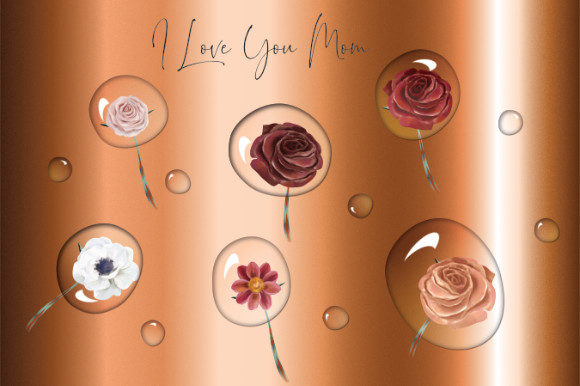
The Mother’s Day Postcard is a digital asset package that includes three key file types: a JPG, an SVG, and an Affinity Photo Designer file. These files are optimized for high-quality output at 300 DPI, making them ideal for both print and digital use. The background textures included in the package are not static—they can be modified to suit your specific needs, allowing for complete customization and unique outcomes every time.
What sets this resource apart is its flexibility. With the ability to invert colors or adjust hues using tools like Adobe Photoshop, you can tailor the design to match your brand, event, or personal style. This level of control ensures that the final product is not only visually striking but also aligned with your creative vision.
Strategic Use of the Mother’s Day Postcard
When considering how to use the Mother’s Day Postcard, it’s important to think strategically about your goals. Whether you’re launching a new product, promoting a service, or simply expressing gratitude, the postcard can serve as a powerful communication tool. Its versatility allows it to be used across multiple platforms and purposes, from invitations and greeting cards to gift tags and promotional materials.
For entrepreneurs and small business owners, the Mother’s Day Postcard offers a cost-effective way to create professional-looking marketing materials. By customizing the design to reflect your brand identity, you can reinforce your messaging and build stronger connections with your audience. For creatives and designers, the ability to alter textures and color schemes provides endless possibilities for experimentation and innovation.
Practical Applications
- Invitation Backgrounds: Use the postcard as a base for event invitations, ensuring a cohesive look across all materials.
- Greeting Cards: Customize the texture and color to create personalized messages that stand out.
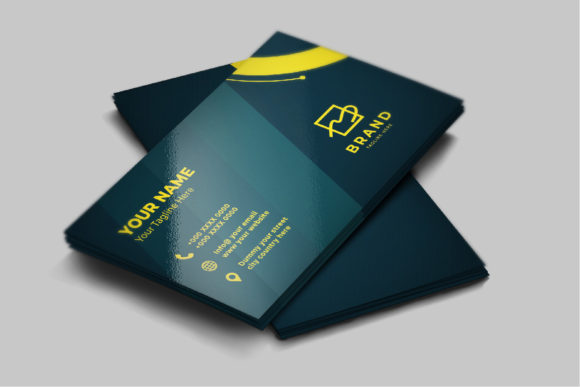
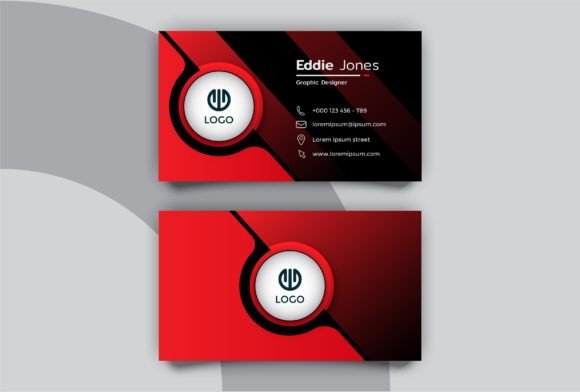
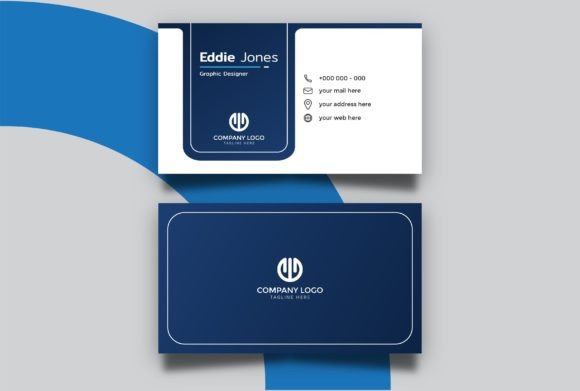
- Business Cards: Incorporate the design into your branding strategy for a consistent visual identity.
- Wrapping Paper: Transform the postcard into a decorative element for gift packaging, adding a touch of elegance.
- Sublimation Backgrounds: Utilize the high-resolution files for sublimation printing, ensuring quality prints for promotional items.
Each application benefits from thoughtful customization. By aligning the design with your intended use, you can maximize its impact and ensure it serves its purpose effectively.
Planning Your Design Process
Before diving into the design phase, it’s crucial to plan carefully. Start by defining your objectives—what do you hope to achieve with the Mother’s Day Postcard? Are you aiming to promote a product, celebrate a special occasion, or build brand awareness? Clarifying your goals will help guide your design choices and ensure the final result meets your expectations.
Next, consider your target audience. Who will receive the postcard, and what message do you want to convey? Understanding your audience’s preferences and needs will allow you to tailor the design to resonate with them. For example, a Mother’s Day postcard for a family-oriented business may require a warm, inviting aesthetic, while one for a luxury brand might call for a more sophisticated look.
Finally, choose the right tools and software. While the Mother’s Day Postcard includes an Affinity Photo Designer file, you can also use applications like Adobe Photoshop or Illustrator for more advanced editing. Familiarizing yourself with these tools will give you greater control over the final output and help you achieve the desired effect.
Long-Term Value and Decision-Making
Investing in the Mother’s Day Postcard isn’t just about creating a single design—it’s about building a foundation for future projects. The customizable nature of the files means they can be reused and repurposed across different campaigns, saving time and effort in the long run. This adaptability is particularly valuable for businesses that rely on consistent branding and messaging.
However, it’s important to approach the Mother’s Day Postcard with intention. Without clear goals or context, the design may fail to meet its intended purpose. For instance, using a vibrant, colorful texture for a formal event invitation could be distracting rather than engaging. Always consider the tone and purpose of the design before making final adjustments.
Additionally, be mindful of the risks associated with random use. If you don’t have a well-defined plan, the result may lack cohesion or fail to communicate your message effectively. Instead, focus on strategic decision-making—evaluate each choice based on its impact and relevance to your overall goals.
Conclusion
The Mother’s Day Postcard is more than just a design asset—it’s a tool for achieving better results through thoughtful planning and execution. By understanding its capabilities, applying it strategically, and tailoring it to your specific needs, you can unlock its full potential. Whether you're a designer, marketer, or hobbyist, the ability to customize and refine your work gives you the power to create something truly unique and impactful.