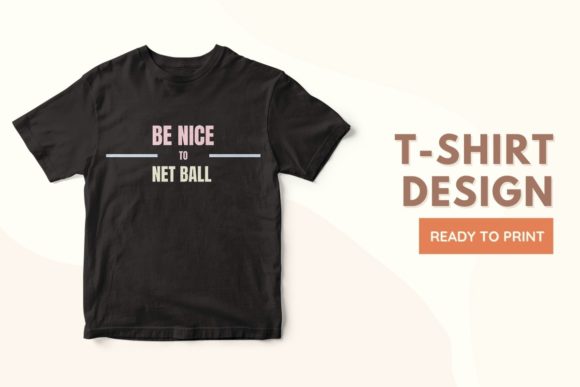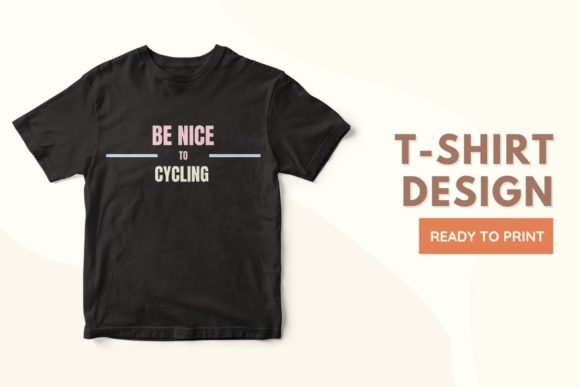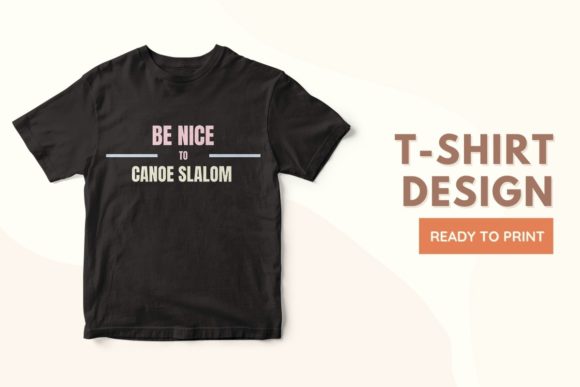
Be Nice to CANOE SLALOM: A Versatile Design for Creative Projects
The phrase Be Nice to CANOE SLALOM may seem like a random or playful statement, but it's actually the name of a unique and adaptable T-shirt design that can be used across a wide range of creative and practical applications. This design is not just a piece of art—it's a tool that fits into various workflows, from personal projects to business ventures. Whether you're a designer, entrepreneur, or hobbyist, this design offers a simple yet powerful way to express creativity, build brand identity, or enhance your product offerings.
Understanding Be Nice to CANOE SLALOM
Be Nice to CANOE SLALOM is a ready-to-print T-shirt design that comes in a high-resolution PNG format with a transparent background. The file size is 4500 x 5400 pixels at 300 DPI, making it suitable for both digital and physical printing. It's designed to be versatile, allowing users to apply it to a variety of products such as T-shirts, stickers, mugs, pillows, blankets, book covers, phone cases, sublimation prints, printable assets, business cards, and more.
This design doesn't require any additional mockups or templates, which makes it easy to use right out of the box. It's perfect for those who want to quickly create branded merchandise without spending time on complex design processes. The simplicity of the design allows it to blend well with different styles and themes, making it a flexible asset for creators looking to expand their product lines.
Where Does Be Nice to CANOE SLALOM Fit In?
While Be Nice to CANOE SLALOM might appear as a standalone design, its true value lies in how it integrates into broader creative and business workflows. For example, if you're running a small business or managing a creative project, this design can serve as a branding element that helps reinforce your visual identity. It can be used as part of a marketing campaign, a promotional strategy, or even as a personal statement in a portfolio.
In a professional setting, the design can be incorporated into a workflow that includes content creation, print production, and distribution. For instance, if you're a blogger or educator creating content for an audience, using this design on branded merchandise can help establish a consistent look and feel across all your materials. Similarly, for entrepreneurs looking to launch a new product line, this design can act as a foundational element that supports the entire product development process.
Using Be Nice to CANOE SLALOM in Different Stages of a Project
Whether you're starting a project, working through the middle phase, or finalizing your work, Be Nice to CANOE SLALOM can be a valuable addition. Before beginning a project, the design can serve as a visual reminder of your brand values or creative direction. During the execution phase, it can be used to maintain consistency across all deliverables, ensuring that your message remains clear and cohesive. After the project is complete, it can be repurposed for follow-up materials, promotions, or even as a keepsake.
For example, a freelance graphic designer might use this design as part of their client onboarding process. By including it on branded materials such as business cards or email signatures, they can create a strong first impression. As the project progresses, the design can be used to create custom merchandise for clients, reinforcing brand recognition and loyalty. Once the project is finished, the design can be archived or reused for future campaigns, ensuring that the creative effort continues to generate value over time.
How to Integrate Be Nice to CANOE SLALOM Into Your Workflow
Integrating Be Nice to CANOE SLALOM into your workflow doesn't have to be complicated. The key is to identify where it can add the most value and then incorporate it seamlessly. One effective approach is to treat it as a reusable asset that can be applied to multiple platforms and formats. For instance, if you're using a print-on-demand service, you can upload the design once and then use it across different products, saving time and effort.
Another useful strategy is to consider how the design can support other tools or methods you already use. If you're working with a design software like Adobe Photoshop or Illustrator, you can easily import the PNG file and customize it further to match your specific needs. This flexibility allows you to maintain control over the final output while still benefiting from the design's built-in versatility.
Additionally, it's important to think about compatibility and usability when integrating the design into your workflow. Since the file is high-resolution and transparent, it should work well with most printing services and digital platforms. However, it's always a good idea to test the design on different mediums to ensure that it looks as intended in every context. This proactive approach helps prevent issues related to quality or formatting, which can be costly to fix later on.
Practical Tips for Using Be Nice to CANOE SLALOM
- Plan Ahead: Before using the design, consider how it will fit into your overall branding or creative strategy. Think about the purpose of the design and how it aligns with your goals.
- Test Compatibility: Always check how the design performs on different products and platforms. This ensures that the final result meets your expectations.
- Use It Across Multiple Channels: Don't limit yourself to one use case. Explore different ways to apply the design, whether it's for personal use, marketing, or product development.
- Keep It Simple: The design's simplicity is one of its greatest strengths. Use it as is, or make minor adjustments to suit your needs without overcomplicating things.
- Organize Your Assets: Store the design in a dedicated folder or cloud storage location so that it's easy to access whenever you need it.
By following these tips, you can maximize the utility of Be Nice to CANOE SLALOM and ensure that it becomes a reliable part of your creative toolkit. Its adaptability makes it a great choice for anyone looking to streamline their workflow while maintaining a strong visual presence.