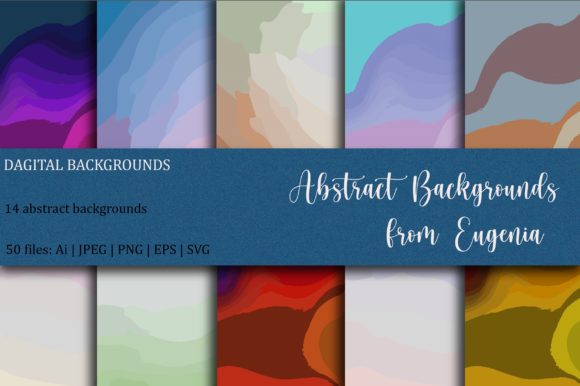
Abstract Backgrounds from Eugenia: A Creative Resource for Designers and Artists
For designers, artists, and creative professionals, the right visual assets can make a significant difference in the quality and impact of their work. Abstract Backgrounds from Eugenia is one such resource that has gained attention among those looking for versatile, high-quality digital papers. This set of 10 abstract digital papers offers a range of textures, patterns, and color palettes designed to enhance various creative projects.
What Makes Abstract Backgrounds from Eugenia Stand Out?
Abstract Backgrounds from Eugenia is more than just a collection of digital papers—it's a curated set of design elements crafted with purpose. Each background is created using digital painting techniques, resulting in a unique aesthetic that blends modern minimalism with artistic expression. The set includes 10 distinct designs, each available in multiple formats including AI, JPEG, PNG, EPS, and SVG. This versatility ensures that users can integrate the backgrounds into a wide array of applications without worrying about compatibility issues.
The files are ready for print, making them ideal for both digital and physical projects. Whether you're working on a website, a handmade stationery piece, or a professional print, these backgrounds offer a consistent level of quality that aligns with industry standards. The availability of 50 files—10 backgrounds in five formats—provides ample flexibility for experimentation and use across different platforms.
Key Characteristics and Practical Value
- High-Quality Resolution: Each file is optimized for both screen and print, ensuring clarity and sharpness regardless of the medium.
- Versatile Formats: The inclusion of multiple file types caters to a variety of creative workflows, from graphic design to print production.
- Design Flexibility: The abstract nature of the backgrounds allows for easy customization and layering, making them adaptable to different creative needs.
- Time-Saving: With pre-designed elements, users can focus more on the creative process rather than spending time on background creation.
- Creative Inspiration: The unique visual styles can spark new ideas and help break through creative blocks.
These characteristics make Abstract Backgrounds from Eugenia a valuable addition to any designer’s toolkit. They are not only functional but also contribute to the overall aesthetic and professionalism of a project.
Real-World Applications and Use Cases
Abstract Backgrounds from Eugenia is particularly useful for individuals and businesses involved in creative industries. Here are some scenarios where this resource shines:
- Scrapbooking and Cardmaking: The backgrounds add depth and interest to handmade cards and scrapbook layouts, enhancing the visual appeal without overwhelming the content.
- Planner and Journal Design: These backgrounds can be used as page dividers or as part of the overall layout, helping to create a cohesive and visually engaging journal.
- Business Cards and Invitations: The subtle textures and colors can elevate the design of business cards and event invitations, giving them a polished and professional look.
- Website and Digital Content: For online projects, these backgrounds can be used as page headers, banners, or overlays, adding a touch of elegance and creativity.
- Decoupage and Decorative Projects: The printable format makes it easy to incorporate these backgrounds into decoupage, wrapping paper, and other decorative crafts.
By integrating Abstract Backgrounds from Eugenia into their workflow, creators can save time while maintaining a high standard of design quality.
Strengths and Limitations
One of the main strengths of Abstract Backgrounds from Eugenia is its balance between artistic style and practicality. The backgrounds are not overly complex, which makes them easy to use and adapt. Additionally, the availability of multiple file formats ensures that they can be used across various platforms and tools.
However, there are some limitations to consider. The set is relatively small, containing only 10 backgrounds. While this may be sufficient for some users, others might find it limiting if they require a larger variety of designs. Furthermore, the abstract nature of the backgrounds may not suit all creative projects, especially those requiring more literal or realistic imagery.
Who Benefits Most from Abstract Backgrounds from Eugenia?
Abstract Backgrounds from Eugenia is best suited for individuals and professionals who value simplicity, versatility, and creative inspiration. It is particularly beneficial for:
- Freelancers and Independent Designers: Who need reliable, high-quality assets that can be quickly integrated into their projects.
- Small Business Owners: Looking to enhance the visual appeal of marketing materials, websites, and promotional items.
- Bloggers and Content Creators: Seeking to add visual interest to their digital content without investing in expensive design tools.
- Artists and Hobbyists: Interested in experimenting with abstract styles and incorporating them into their creative work.
While the set may not be ideal for large-scale commercial projects that require extensive customization, it serves as an excellent starting point for those exploring abstract design concepts.
Conclusion and Recommendations
Abstract Backgrounds from Eugenia is a thoughtful and well-crafted digital asset that offers both aesthetic value and practical utility. Its clean, abstract designs provide a versatile foundation for a wide range of creative projects. Whether you're designing for print, digital media, or handmade crafts, this set can enhance your work with a touch of elegance and originality.
For those who prioritize simplicity, quality, and adaptability, Abstract Backgrounds from Eugenia is a worthwhile investment. It is particularly recommended for designers, educators, and hobbyists who are looking to expand their creative toolkit without compromising on design integrity. When used effectively, this resource can elevate the visual impact of your projects and inspire new creative directions.